Lost Souls from Kevin Wegener on Vimeo.
My final project.Thursday, December 5, 2013

RADIO (Voice)
Radiolab: Famous Tumors
When they first start discussing
Ulysses S. Grant and his tumor, a flutelike instrument starts playing in a
haunting Dark Shadows kind of way.
This sets the mood for this kind of grim, mystical topic. However, once they
explain it more and walk through the process of viewing the tumor, it seems
less creepy and supernatural. Later when they start talking about Tasmania and
describe the rocky, desert landscape often associated with Australia and that
corner of the world, Indiana Jones-type
adventure music is playing, but once he starts explaining this other part that
is more green with scenery, the music shifts to a more romanticized classic
Hollywood soundtrack. Throughout the broadcast, they use similar effects to
these examples displaying an eerie tone surrounding the uninviting, microscopic
subject matter of a tumor. The music really helps to set the tone. It can
change the mood of the situation with different tempos and lighter or darker
melodies that control an environment. Since we are so often focused on imagery,
we often forget the impact that sound can have on a piece. Radio really
demonstrates that since it relies entirely on sound with no visual aid. As the
song says, video killed the radio star, but perhaps it’s not a dead medium.
People still listen to radio in the car on their way to work. Some listen to
podcasts discussing varying subject matter. Other people still use radio as a
primary form of entertainment. However you listen to radio, we live in an ever
changing world, and a majority of people in the United States have access to
podcasts and radio sitting in their pockets. People often forget the true
importance of sound until it is not there. Sounds and music can completely sway
a scene without the audience even noticing. Radio then becomes even more
impressive considering it needs to convey a message without any aid apart from
voice and sounds. Especially when you actually end up doing projects with
sound, and realize how important it truly is and how we take it for granted.
NARRATIVE (Representation)
Edward Scissorhands
In his 1990 classic Edward Scissorhands director Tim Burton
explores the idea of being an outsider in a very unique way. Presented as a
fairytale with his classic aesthetic, Burton channels memories from his
adolescence to show what it feels to be different. Throughout the film the
title character struggles to live in a slightly exaggerated suburbia and proves
the age-old expression that looks can be deceiving. While Edward may look like
a monster with pale, scarred skin, gothic apparel, and dangerous scissors for
hands, he reveals himself to be the most human and admirable character in the
film.
 We are first introduced directly to
Edward when Avon lady Peg Boggs enters his castle. In this haunting
German-Expressionistic setting she finds the equally dark appearing man sitting
alone in the corner. As she talks to him he eventually gets up to approach her
as a startling silhouette with jagged blades coming from his hands. Naturally
frightened by this disturbing image Peg makes her way towards the door until a
faint voice simply says, “Don’t go.” She turns to see this obviously damaged
being with an innocent expression on his face. She quickly realizes his gentle
nature that juxtaposes his horrific appearance. From there on out Peg takes
Edward to the colorful world of suburbia, a symbol of conformity and “average”
American life. At first welcomed as this new, interesting resident, the
neighborhood obsesses over Edward which becomes just as dehumanizing as
recognizing him as a monster. Soon he is trimming hedges into a variety of
exciting forms and giving wild haircuts, and for this time Edward can express
his creativity and feel accepted. However, after getting tricked into some
unfortunate situations, gossip ensues, and his reputation destroyed. People
quickly accept these rumors as the truth because of his monstrous appearance
and a series of misunderstandings.
We are first introduced directly to
Edward when Avon lady Peg Boggs enters his castle. In this haunting
German-Expressionistic setting she finds the equally dark appearing man sitting
alone in the corner. As she talks to him he eventually gets up to approach her
as a startling silhouette with jagged blades coming from his hands. Naturally
frightened by this disturbing image Peg makes her way towards the door until a
faint voice simply says, “Don’t go.” She turns to see this obviously damaged
being with an innocent expression on his face. She quickly realizes his gentle
nature that juxtaposes his horrific appearance. From there on out Peg takes
Edward to the colorful world of suburbia, a symbol of conformity and “average”
American life. At first welcomed as this new, interesting resident, the
neighborhood obsesses over Edward which becomes just as dehumanizing as
recognizing him as a monster. Soon he is trimming hedges into a variety of
exciting forms and giving wild haircuts, and for this time Edward can express
his creativity and feel accepted. However, after getting tricked into some
unfortunate situations, gossip ensues, and his reputation destroyed. People
quickly accept these rumors as the truth because of his monstrous appearance
and a series of misunderstandings.  Though there are no people with
scissors for hands, Edward represents anyone who feels like an outsider whether
that person is gay, black, female, disabled, etc. The character resonates with
anyone who feels that he or she doesn’t belong. He tries to go beyond his
gothic appearance and communicate through dinosaur-shaped hedges and
extravagant hairstyles. Burton goes against the idea that the “monster” has to
be the antagonist, because to some people the “monster” is more relatable. What
if Frankenstein’s monster, the creature from the Black Lagoon, and Godzilla are
just misunderstood? Edward is a symbol of that. The monster isn’t always the
one who looks different or deformed. Sometimes the real monster is the angry
mob, society, and the ones who restrict and shun the one who is different. In
that way Edward is simultaneously representative of the portrayal of movie
monsters and, on a larger note, individuals who don’t feel they fit into defined
norms.
Though there are no people with
scissors for hands, Edward represents anyone who feels like an outsider whether
that person is gay, black, female, disabled, etc. The character resonates with
anyone who feels that he or she doesn’t belong. He tries to go beyond his
gothic appearance and communicate through dinosaur-shaped hedges and
extravagant hairstyles. Burton goes against the idea that the “monster” has to
be the antagonist, because to some people the “monster” is more relatable. What
if Frankenstein’s monster, the creature from the Black Lagoon, and Godzilla are
just misunderstood? Edward is a symbol of that. The monster isn’t always the
one who looks different or deformed. Sometimes the real monster is the angry
mob, society, and the ones who restrict and shun the one who is different. In
that way Edward is simultaneously representative of the portrayal of movie
monsters and, on a larger note, individuals who don’t feel they fit into defined
norms. DOCUMENTARY (Surveillance)
Room 237
Filmmaker Rodney Ascher’s 2012 documentary Room 237 follows a several interpretations and conspiracy theories following director Stanley Kubrick’s 1980 adaptation of Stephen King’s novel The Shining. From genocide of Indians, the Holocaust, and the moon landing, this film analyzes the vast number of “clues” denoted by Kubrick during the film’s production. Never showing the interviewees, Ascher focuses on a variety of people and their interpretations of what Kubrick intended in his adaptation. Ascher’s goal is not to present these accusations as truth, but rather demonstrate multiple theories that fans of The Shining can respond to. The documentary is not necessarily from the perspective of Ascher. He is the interviewer collecting various opinions and conspiracy from others who have studied the film. His objective is to show how many notions surround the film, some seeming relatively reasonable and others just downright insane. For instance, one interviewee claims that the government staged the moon landing with Kubrick filming it, and The Shining was Kubrick admitting his role through the changes he made from the original novel. In modern days, a majority of people believes the moon landing footage was genuine, and this theory seems ridiculous. However, the interviewee supports his thinking with examples from the film. Though he backs up his belief, it is not enough to sway a public opinion that has been grounded for over four decades. Ascher simply records these people’s findings and assembles them as a collection of conspiracies. His role is justified by his indifference toward analysis; he seems the film as “a story about juggling the responsibilities of your career and family and as cautionary tale of what may happen if you make the wrong choice” (http://www.complex.com/pop-culture/2013/03/interview-room-237-director-rodney-aschersource). Rather than having a strong, set opinion of The Shining’s hidden messages, his unconcern allows him to collect these theories without letting his personal interpretations get in the way, dismissing all these conspiracies. Instead of developing his own voice for the film, he allows the variety of opinions to mold a cohesive narrative of a film that is open to various analyses. In that regard Ascher holds the utmost power below Kubrick himself who is the only one to know his true intentions.
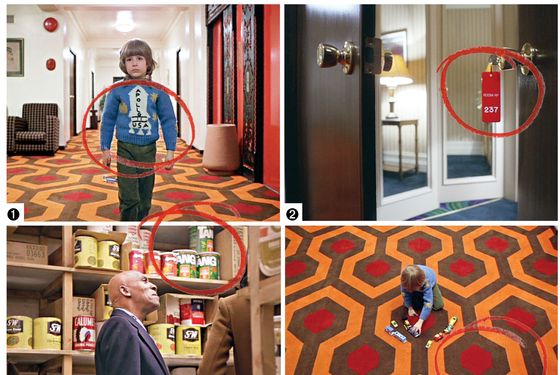
This picture circles some of the topics of conspiracy mentioned in the documentary such as Danny's Apollo 11 sweater and the cans of Calumet baking powder displaying a Native American man in a headdress.
Thursday, November 7, 2013
Thursday, October 31, 2013
Thursday, October 24, 2013
Nora 2nd Edit
Nora from Kevin Wegener on Vimeo.
My first short film made at Syracuse University for TRM-153
Nora (cut version) from Kevin Wegener on Vimeo.
Here's my short film "Nora" with dining hall and coffee shop scenes cut as suggested by Jessica Posner. I figured I should at least try to the idea. I felt like the video lost a lot by cutting the scenes. It lacks character development between Nora and Aaron. At the end when he claims to have tried doesn't work because he really didn't do much at all. We miss the arc of him going from an awkward guy trying to ask a girl out to a romantic on a date until he finally breaks at the end and gives up. We also miss out on the awkward moments between the two created by Nora's cold attitude. In the end I'm glad to have at least tried this idea, but overall the result lacks.
Thursday, October 17, 2013
Thursday, September 26, 2013


Thursday, September 19, 2013
Response to "The Medium is the Massage"
One point Marshall McLuhan and Quentin Fiore make is that collectively we expect "new media to do the work of the old." As a society we are always striving to create something new, but we're so set in our ways that we feel the need to relate the new back to the old. We need to go beyond this comfort zone and work to be open to new ideas.
Another idea I found interesting was "the poet, the artist, the sleuth," being anti-social can see the world for what it is. Being an artist allows people to view the world as it relates to them. Artists are not bound to view the world in a certain way; their perceptions are made up for themselves. Artists are encouraged to expose a new outlook on the world which is often more truthful than those examined by an "average" person.
The last idea that I was amused by is that the ear favors no point of view. We are surrounded by sounds. We can hear sounds from all around us, as opposed to vision which we can only see what appears in front of us. I found this to be an interesting observation I have not made before. This book plants ideas of the bizarre that most people don't tend to think about.
Another idea I found interesting was "the poet, the artist, the sleuth," being anti-social can see the world for what it is. Being an artist allows people to view the world as it relates to them. Artists are not bound to view the world in a certain way; their perceptions are made up for themselves. Artists are encouraged to expose a new outlook on the world which is often more truthful than those examined by an "average" person.
The last idea that I was amused by is that the ear favors no point of view. We are surrounded by sounds. We can hear sounds from all around us, as opposed to vision which we can only see what appears in front of us. I found this to be an interesting observation I have not made before. This book plants ideas of the bizarre that most people don't tend to think about.
Response to "How Laura Poitras Helped Snowden Spill His Secrets"
Reading this article made me think about what an ugly situation the U.S. government is in. After September 11, 2001, the government just seemed to lose it and go full paranoid. The examples about Laura Poitras's life and the struggles she had at airports is astonishing. Is the government so paranoid they'd feel threatened by a documentary filmmaker? It seems so. It seems to me that the government is more inclined to protect its own prosperity rather than the of the people it's supposed to protect.
The marriage between Edward Snowden, Laura Poitras, and Glenn Greenwald is appropriate. As a government worker planning on exposing corruption, teaming up with reporters is a perfect fit. It does disturb me how the government reacted to the situation. The act of treason is revealing secrets to the enemy. By calling what these people did treason, does that make the American people the enemy of the government? A government so paranoid and corrupt that it needs to spy on the citizens they claim to protect. This is not the ideals of a democracy. This is 1984.
The marriage between Edward Snowden, Laura Poitras, and Glenn Greenwald is appropriate. As a government worker planning on exposing corruption, teaming up with reporters is a perfect fit. It does disturb me how the government reacted to the situation. The act of treason is revealing secrets to the enemy. By calling what these people did treason, does that make the American people the enemy of the government? A government so paranoid and corrupt that it needs to spy on the citizens they claim to protect. This is not the ideals of a democracy. This is 1984.
Wednesday, September 18, 2013
Response to "The Art of Peeping"
As an introvert, I find the idea of people spying on me through my window to be incredibly unsettling. I, like most people I know, enjoy my privacy and like it to be just that, private. I go about making moments intimate through multiple strategies, closing my blinds on the window, speaking quietly during conversations I don't want to be overheard, etc. I'm not a devious or shady person; I just like my privacy and chose to internalize things.
In terms of Arne Svenson, however, I actually can appreciate this. I know how his neighbors must have felt being "spied" on like that, but his intentions weren't perverse. He just wanted to make art. I believe that people are most themselves in the privacy of their own homes, and that is true beauty. Something about realness and ordinary nature of a situation fascinates me. People are all so very different, and I'm interested in observing these quirks. Like Michael Wolf said, though I would not be comfortable being the subject matter, I support the process and the art.
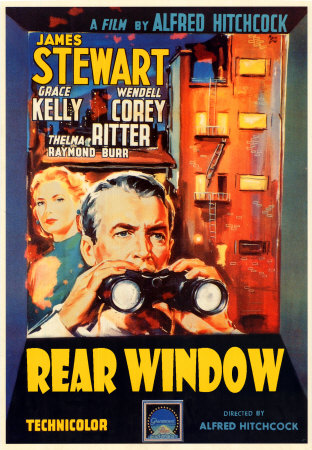
In terms of Arne Svenson, however, I actually can appreciate this. I know how his neighbors must have felt being "spied" on like that, but his intentions weren't perverse. He just wanted to make art. I believe that people are most themselves in the privacy of their own homes, and that is true beauty. Something about realness and ordinary nature of a situation fascinates me. People are all so very different, and I'm interested in observing these quirks. Like Michael Wolf said, though I would not be comfortable being the subject matter, I support the process and the art.
Thursday, September 5, 2013
Sitting Down for 24 Hours


Wednesday, September 4, 2013
Surveil Yourself
September 3, 2013
12:00 AM- watching movie in bed
1:35 AM-go to sleep
7:30 AM-hit snooze
7:40 AM-turn off alarm
7:41 AM-get up and get ready
7:51 AM-leave room
7:52 AM- use bathroom
7:53 AM- go to dining hall
7:59 AM- eat breakfast
8:09 AM- leave dining hall
8:11 AM-go down Mt. Olympus stairs
8:16 AM-enter Shaffer
8:18 AM-sit down in class
8:19 AM- browse thru phone
8:22 AM- put phone away
12:03 PM-leave class
12:09 PM-register at cage
12:20 PM-walk to Schine
12:33 PM-get coffee and donuts
12:42 PM-submit homework for TRM 151
12:57 PM- leave Schine
1:05 PM- throw out coffee cup
1:07 PM-go up Mt. Olympus stairs
1:11 PM- enter Flint Hall
1:12 PM- enter room
1:13 PM- plug in and use computer
1:39 PM- leave room
1:41 PM- leave Flint Hall
1:42 PM-go down Mt. Olympus stairs
1:47 PM- enter Shaffer
1:49 PM- enter class
4:30 PM- leave class
4:31 PM- chat
4:38 PM- go up Mt. Olympus stairs
4:42 PM- enter Flint Hall
4:43 PM- enter room
4:44 PM- use computer
4:56 PM- answer door for refrigerator delivery
5:00 PM- move refrigerator
5:03 PM- use computer
6:15 PM- leave room
6:16 PM- use bathroom
6:17 PM- leave Flint Hall
6:18 PM- go down Mt. Olympus stairs
6:23 PM- enter Huntington Beard Crouse
6:24 PM- enter class
7:56 PM- leave class
8:01 PM- go up Mt. Olympus stairs
8:04 PM- enter Flint Hall
8:06 PM- enter room
8:08 PM- put stuff in refrigerator
8:11 PM- leave room
8:13 PM- check mailbox
8:15 PM- enter room
8:16 PM- browse phone
8:28 PM- use computer
10:15 PM- watch TV show
10:37 PM- use computer
11:49 PM- eat Oreos
11:52 PM- drink soda
11:56 PM- see if new Coraline DVD has special features (answer: no)
11:59 PM- use computer some more
12:00 AM- watching movie in bed
1:35 AM-go to sleep
7:30 AM-hit snooze
7:40 AM-turn off alarm
7:41 AM-get up and get ready
7:51 AM-leave room
7:52 AM- use bathroom
7:53 AM- go to dining hall
7:59 AM- eat breakfast
8:09 AM- leave dining hall
8:11 AM-go down Mt. Olympus stairs
8:16 AM-enter Shaffer
8:18 AM-sit down in class
8:19 AM- browse thru phone
8:22 AM- put phone away
12:03 PM-leave class
12:09 PM-register at cage
12:20 PM-walk to Schine
12:33 PM-get coffee and donuts
12:42 PM-submit homework for TRM 151
12:57 PM- leave Schine
1:05 PM- throw out coffee cup
1:07 PM-go up Mt. Olympus stairs
1:11 PM- enter Flint Hall
1:12 PM- enter room
1:13 PM- plug in and use computer
1:39 PM- leave room
1:41 PM- leave Flint Hall
1:42 PM-go down Mt. Olympus stairs
1:47 PM- enter Shaffer
1:49 PM- enter class
4:30 PM- leave class
4:31 PM- chat
4:38 PM- go up Mt. Olympus stairs
4:42 PM- enter Flint Hall
4:43 PM- enter room
4:44 PM- use computer
4:56 PM- answer door for refrigerator delivery
5:00 PM- move refrigerator
5:03 PM- use computer
6:15 PM- leave room
6:16 PM- use bathroom
6:17 PM- leave Flint Hall
6:18 PM- go down Mt. Olympus stairs
6:23 PM- enter Huntington Beard Crouse
6:24 PM- enter class
7:56 PM- leave class
8:01 PM- go up Mt. Olympus stairs
8:04 PM- enter Flint Hall
8:06 PM- enter room
8:08 PM- put stuff in refrigerator
8:11 PM- leave room
8:13 PM- check mailbox
8:15 PM- enter room
8:16 PM- browse phone
8:28 PM- use computer
10:15 PM- watch TV show
10:37 PM- use computer
11:49 PM- eat Oreos
11:52 PM- drink soda
11:56 PM- see if new Coraline DVD has special features (answer: no)
11:59 PM- use computer some more
Power Pictures
In-class assignment
August 29, 2013
Go out for 30 minutes. Return with four images.
The four images:
1) A "selfie."

2) A person I think has the same amount of power as me.

Mike was in the same position in having the same assignment. In that regard we were on equal levels of power. I think this picture sums up pretty well the even distribution of said power especially considering we're doing the same thing taking a picture of each other.
3) A person I think has more power than me.


This woman stood out for me. She looked busy and angry. She demonstrated an aura of superiority and thus power. She stood up straight and fanned herself with the papers in her hand. I do not envy the person on the other side of that phone.
4) A person I think had less power than me.

I don't know who this girl is. She is probably older than me and in an average situation, would have more power than me. However, with her lying down and perhaps sleeping, there seems to be a vulnerability about her (hence why I used the word "had" in the description over the picture).
August 29, 2013
Go out for 30 minutes. Return with four images.
The four images:
1) A "selfie."

2) A person I think has the same amount of power as me.

Mike was in the same position in having the same assignment. In that regard we were on equal levels of power. I think this picture sums up pretty well the even distribution of said power especially considering we're doing the same thing taking a picture of each other.
3) A person I think has more power than me.


This woman stood out for me. She looked busy and angry. She demonstrated an aura of superiority and thus power. She stood up straight and fanned herself with the papers in her hand. I do not envy the person on the other side of that phone.
4) A person I think had less power than me.

I don't know who this girl is. She is probably older than me and in an average situation, would have more power than me. However, with her lying down and perhaps sleeping, there seems to be a vulnerability about her (hence why I used the word "had" in the description over the picture).
Subscribe to:
Comments (Atom)